Engineered for Strength.
Formulated to Last.
Manufacturer of ultra-high performance tile adhesives, 100% stainproof epoxy grouts, elastomeric waterproofing membranes, and structural polymer admixtures.




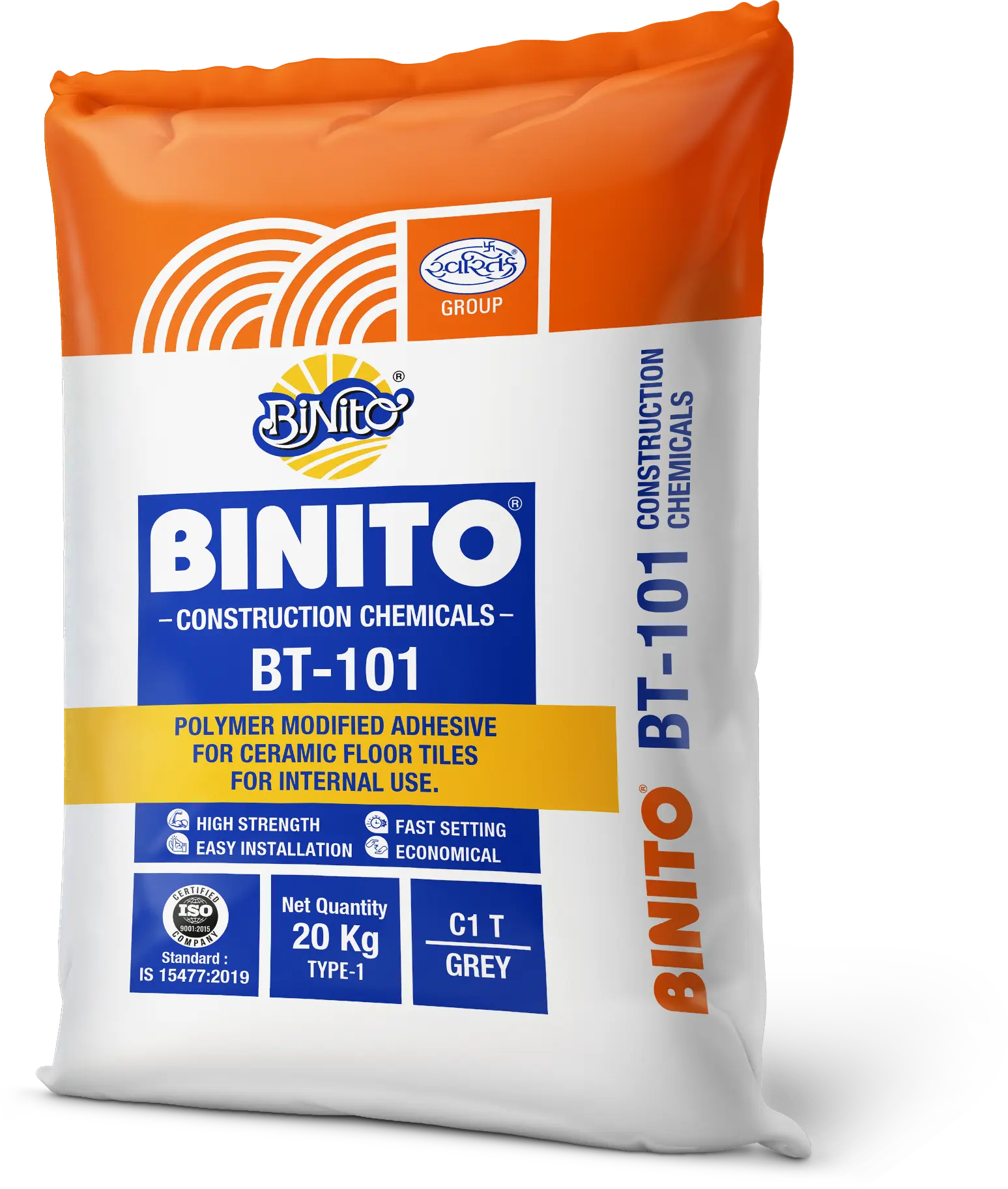
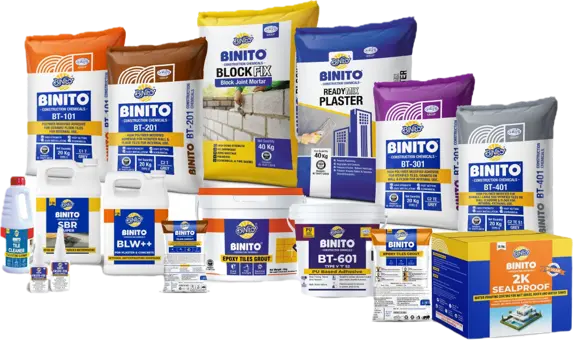
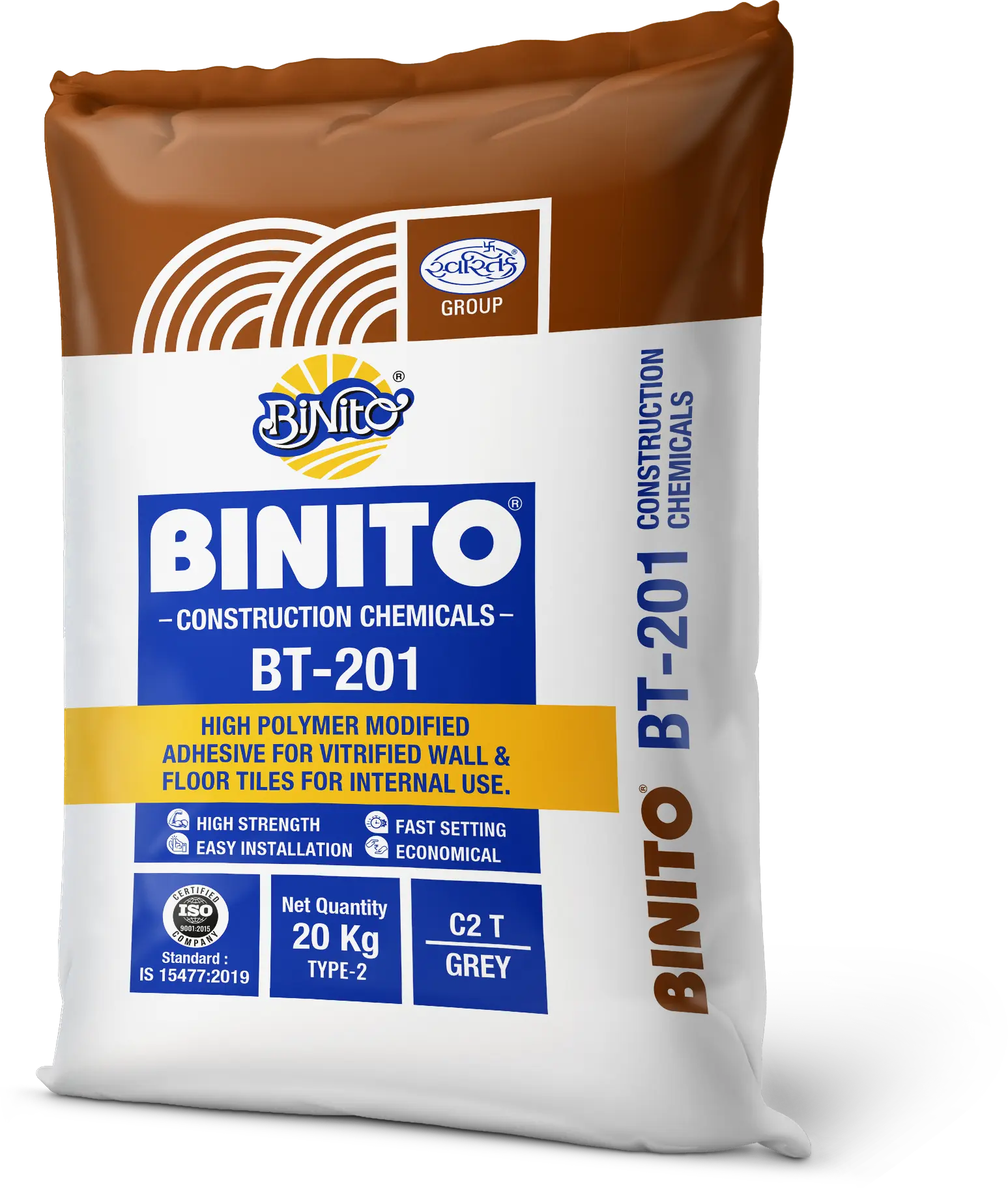
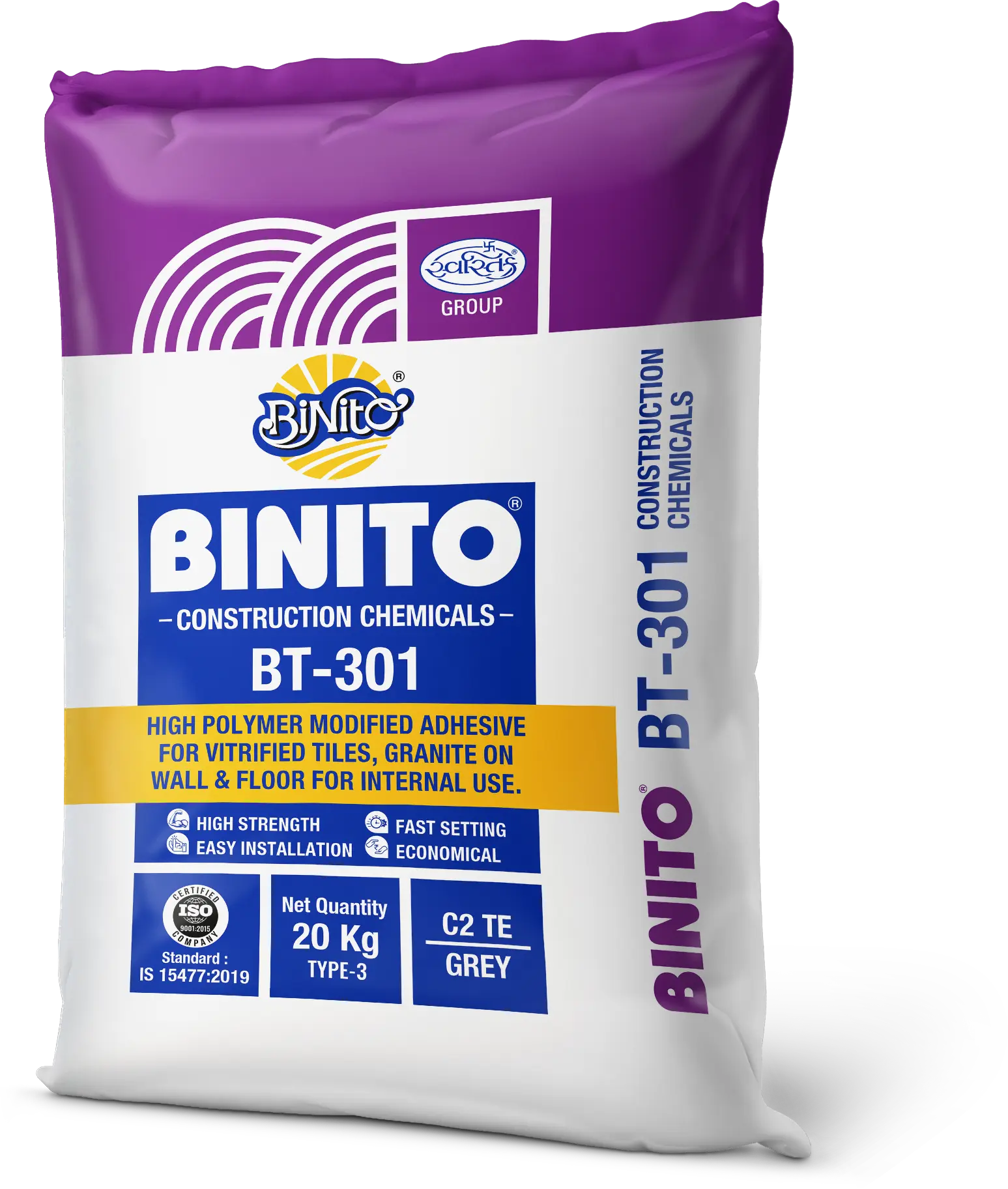
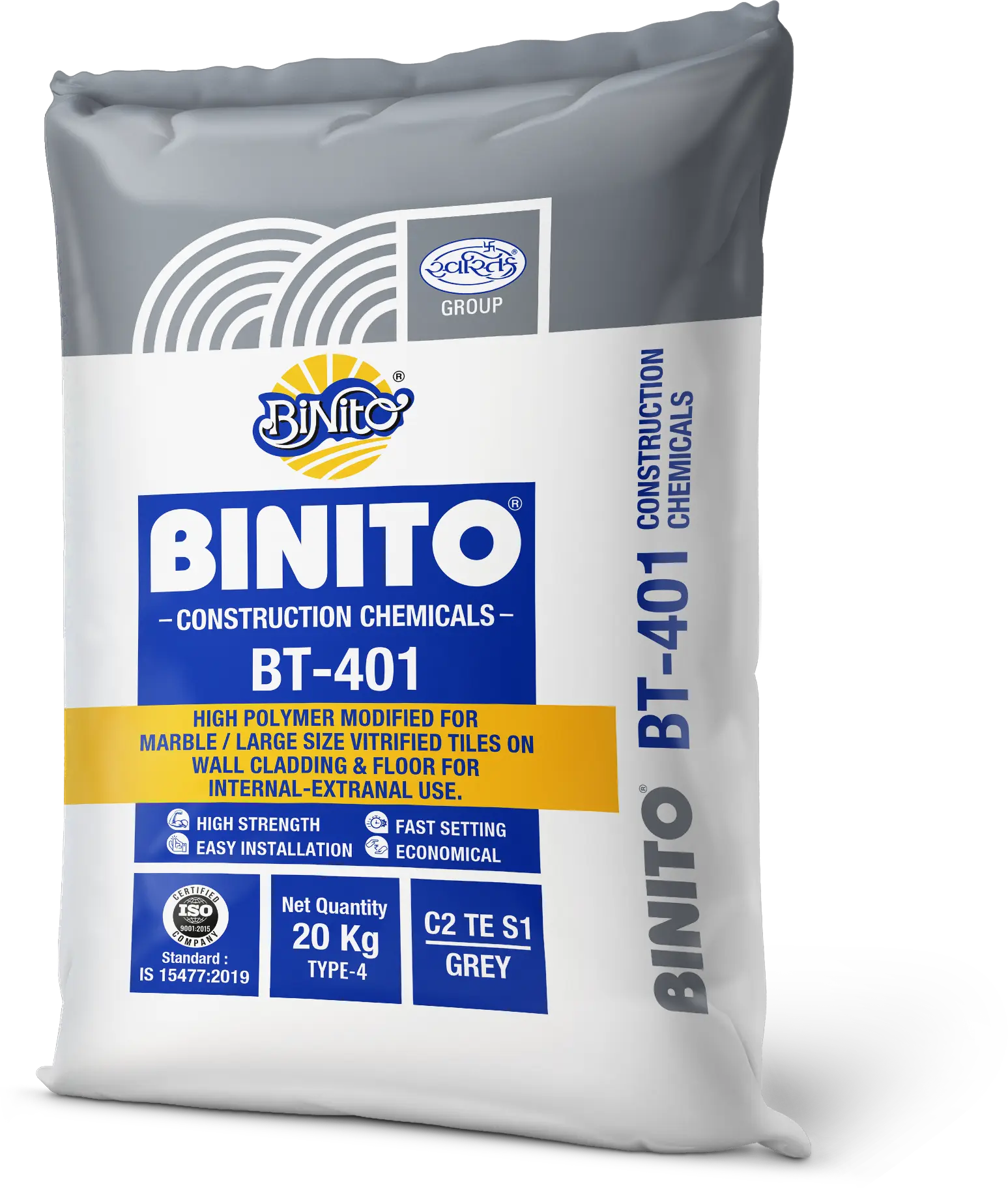
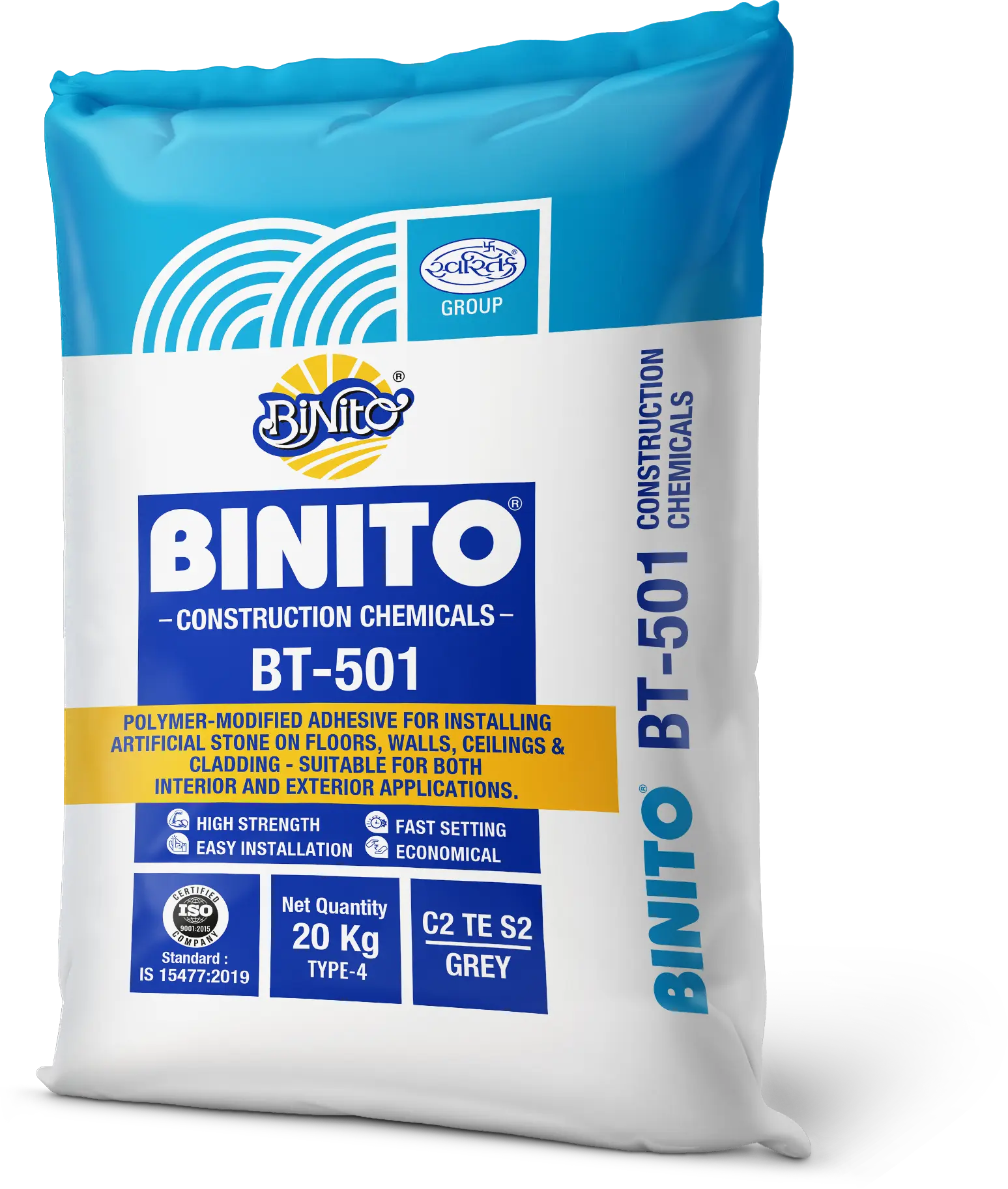
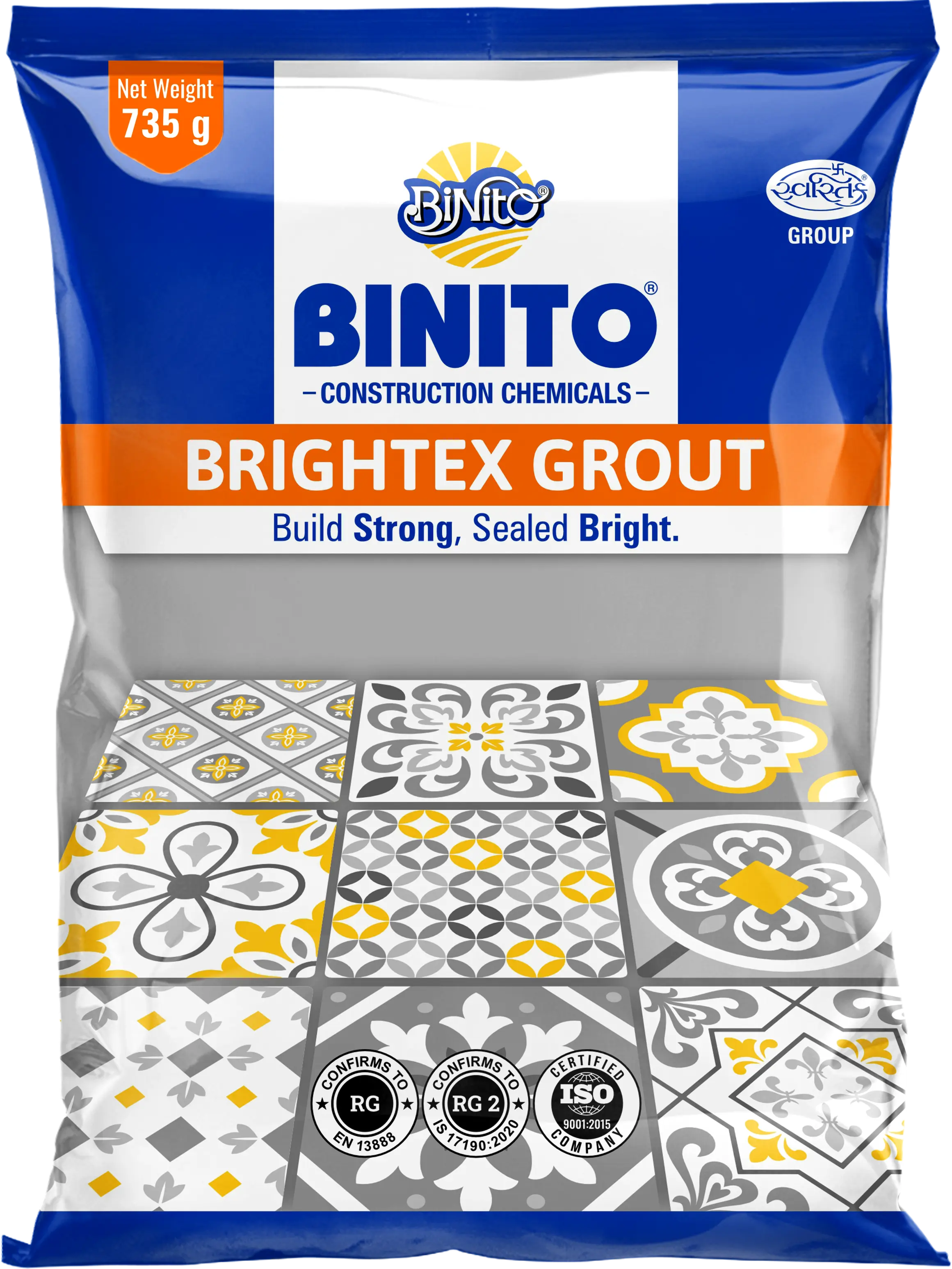
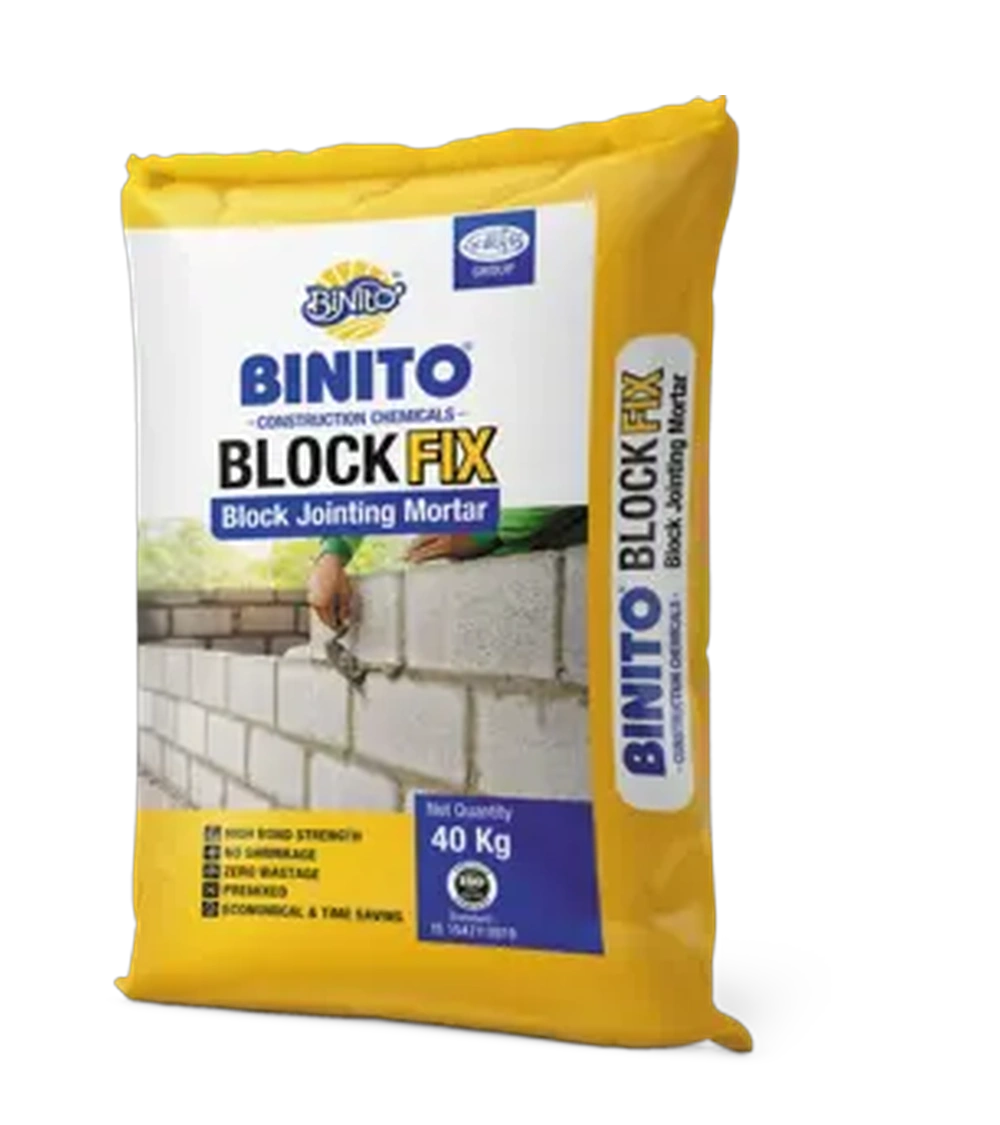
Formulated for Every Construction Challenge
From residential bathroom renovations to massive high-rise exterior cladding and commercial water bodies, Binito engineers the exact chemical bond you need.
Download Product
Catalog
Access our comprehensive 2026 technical binder with TDS specifications, test certificates, and coverage tables.
DOWNLOAD CATALOG PDF
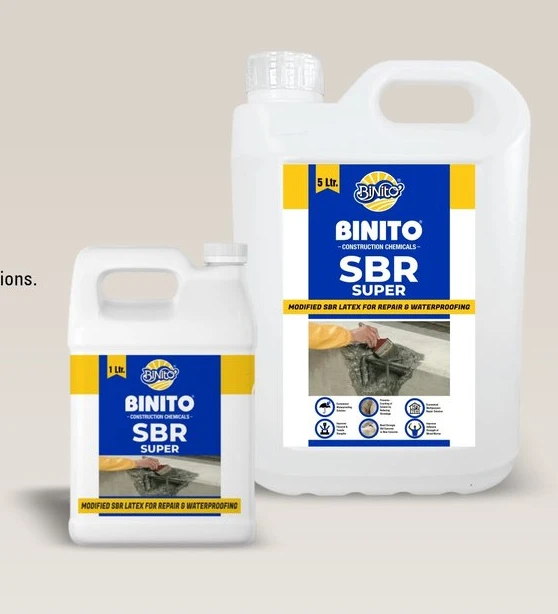
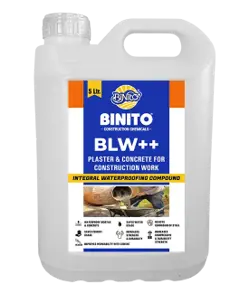
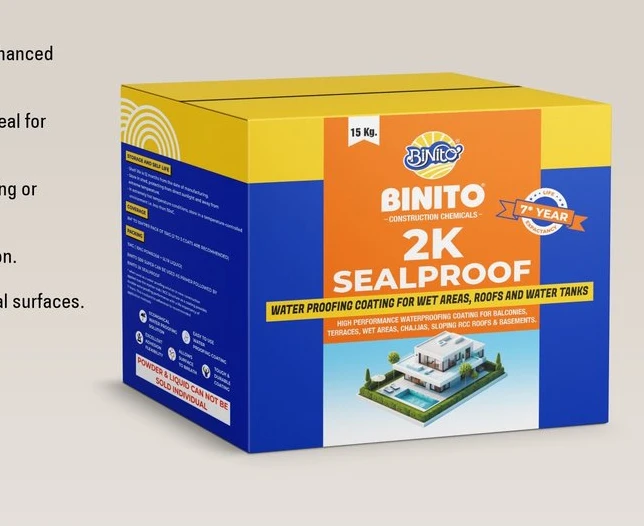
Binito Products
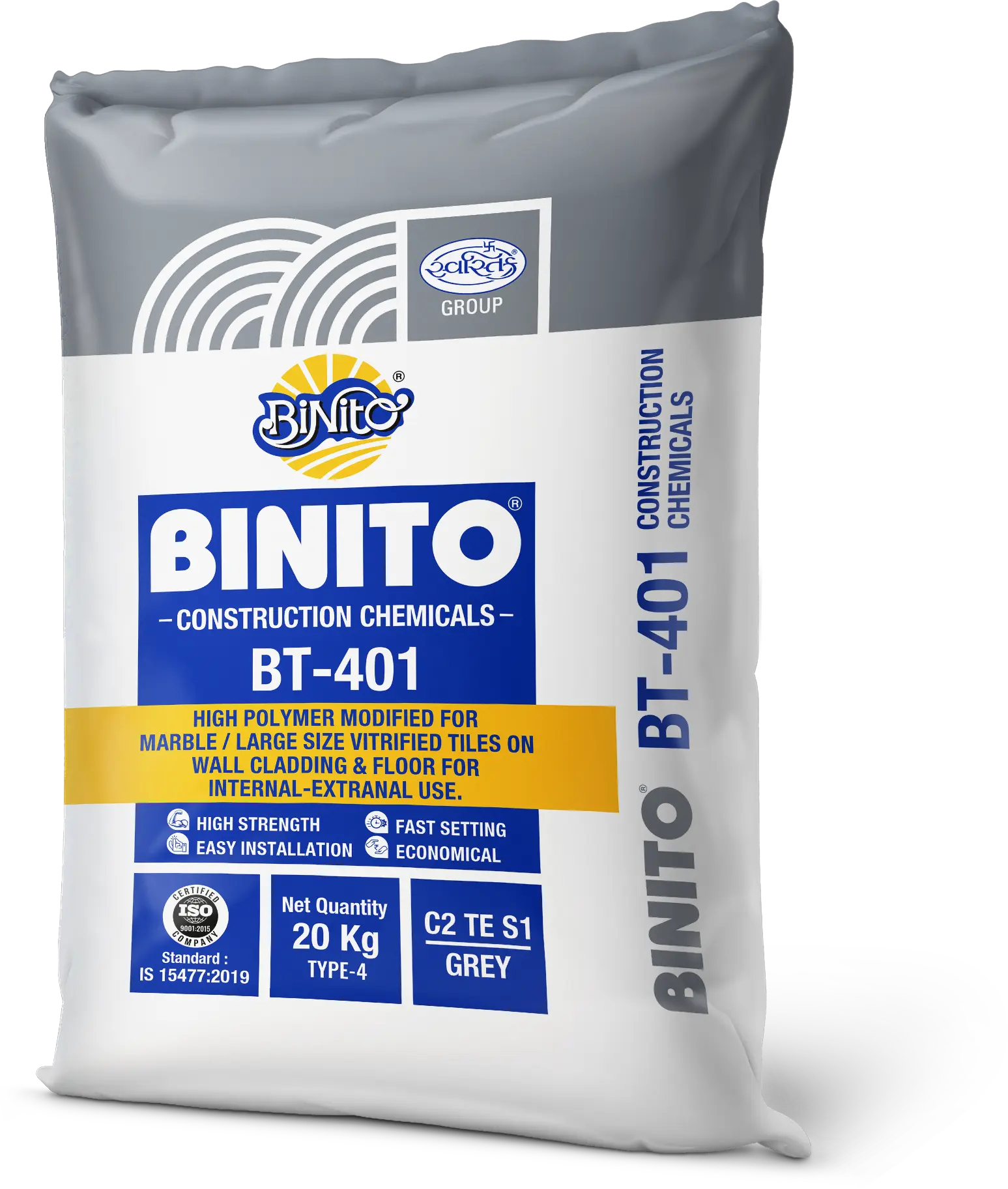
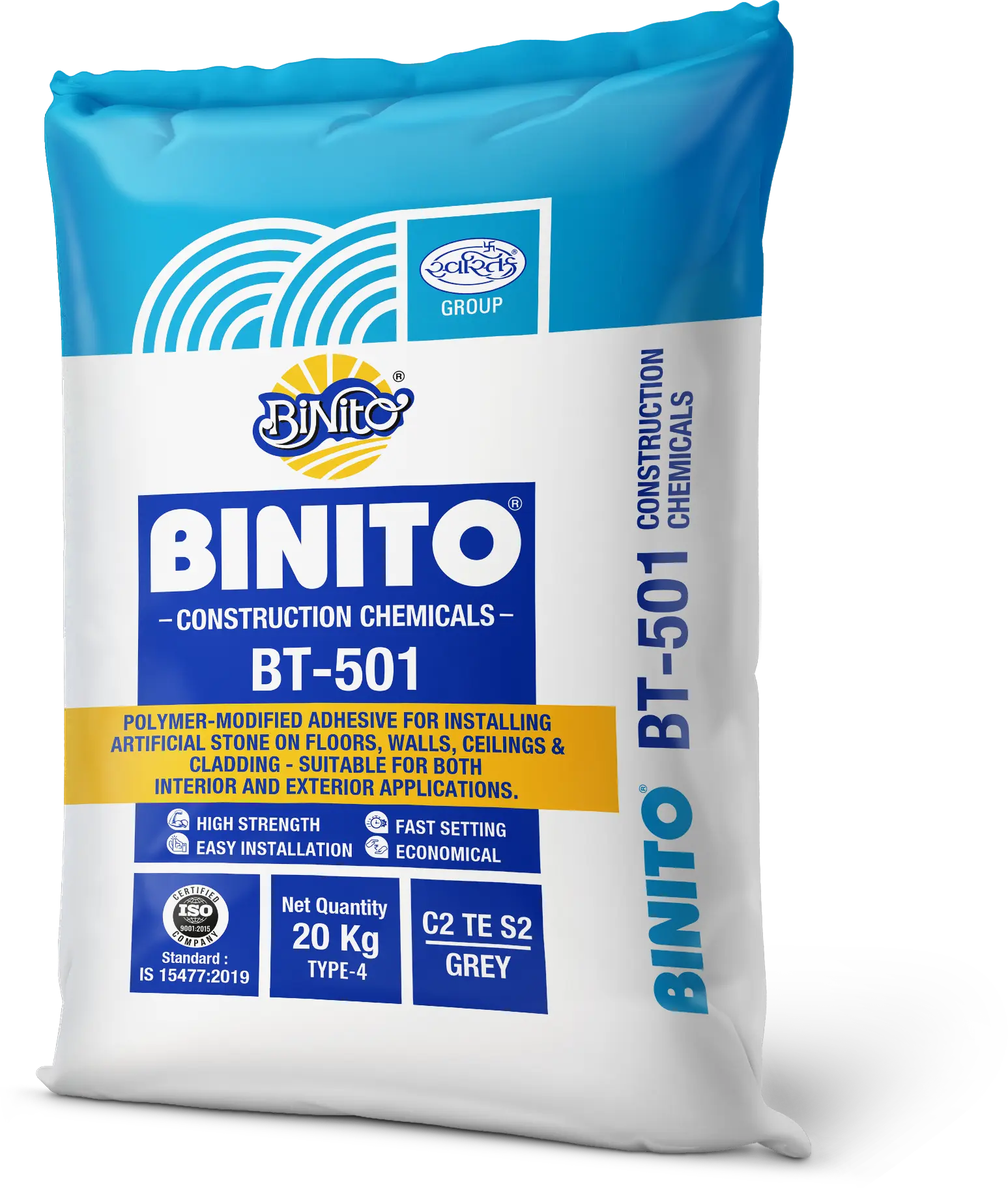

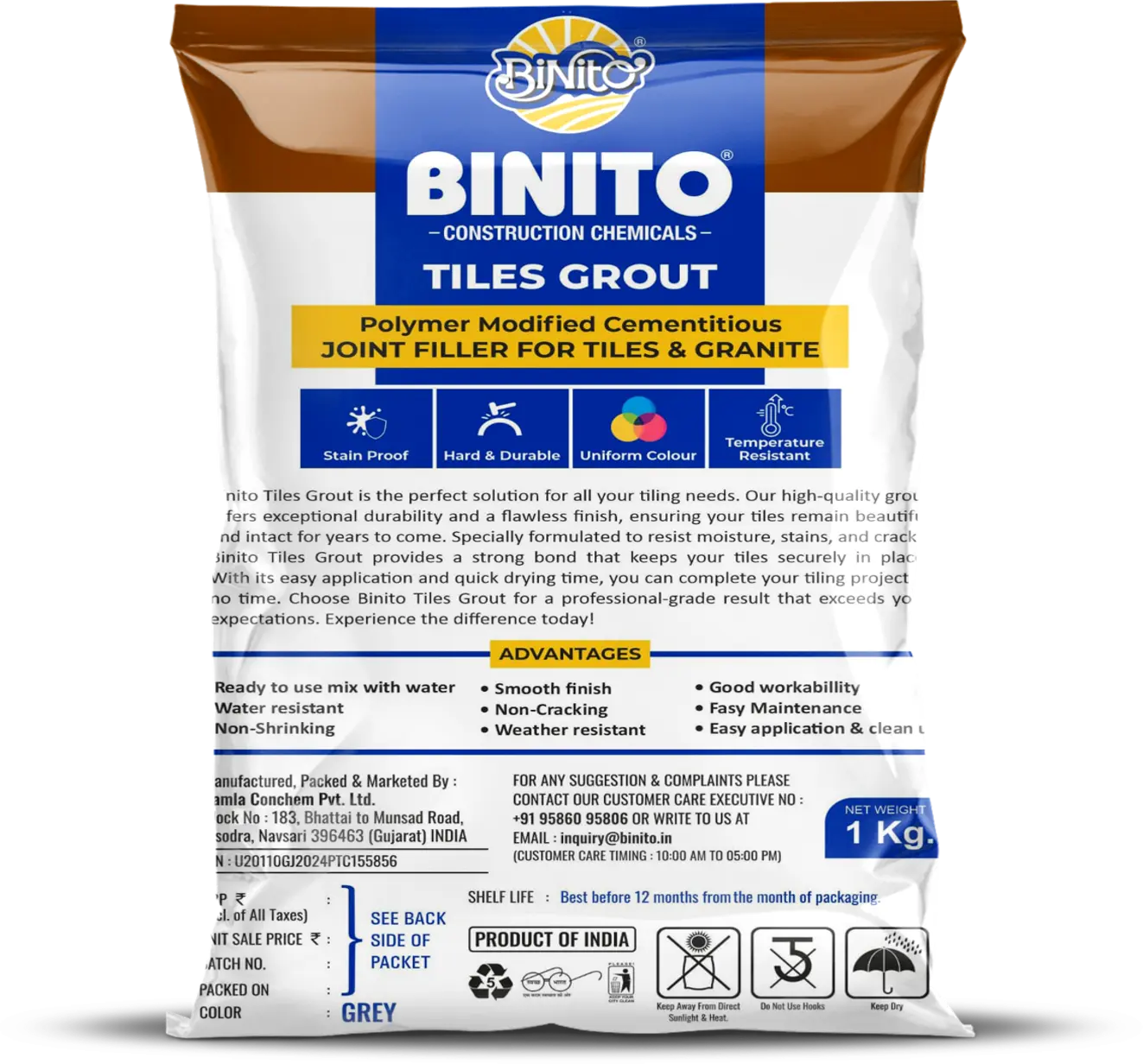
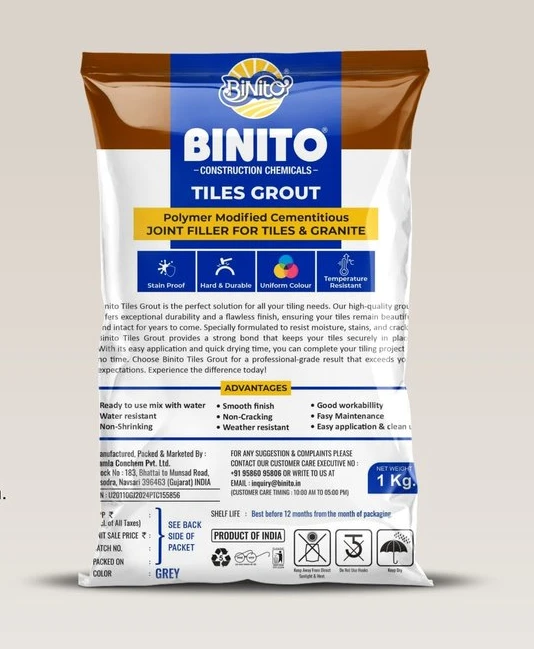
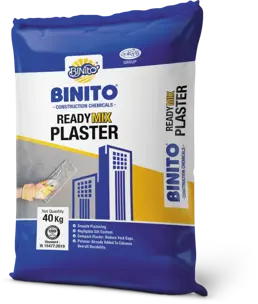
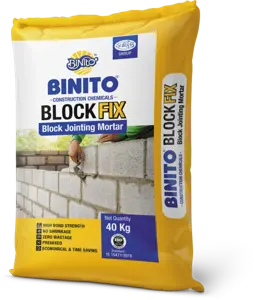
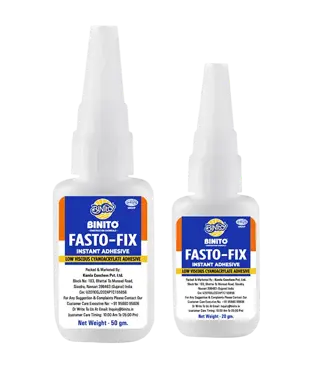
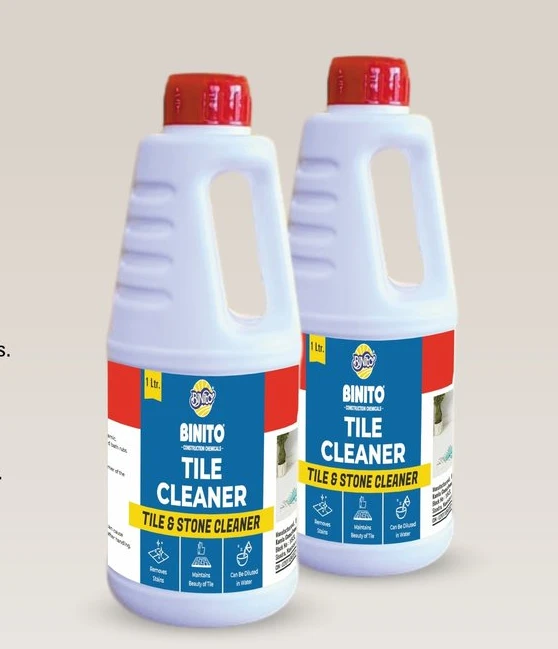
Problem-to-Solution Diagnostic Hub
Tired of hollow debonding tiles, damp bathroom walls, or chalky white salt stains?
Select your on-site issue below to diagnose the chemical root cause and find the contractor-approved Binito remedy.
Visible Symptom
Tapping on tiles produces a hollow knocking sound; tiles crack under foot traffic or detach entirely from the floor/wall bed within months of installation.
Scientific Root Cause
Contractors used conventional sand-cement mortar or low-polymer adhesives for low-porosity vitrified tiles. Sand-cement lacks chemical polymer grip and shrinks upon drying, leaving empty air voids beneath the tile.
Contractor Recommended Application
Completely remove loose tiles and chip away weak sand-cement screed down to the concrete slab.
Ensure substrate is clean, dry, and primed.
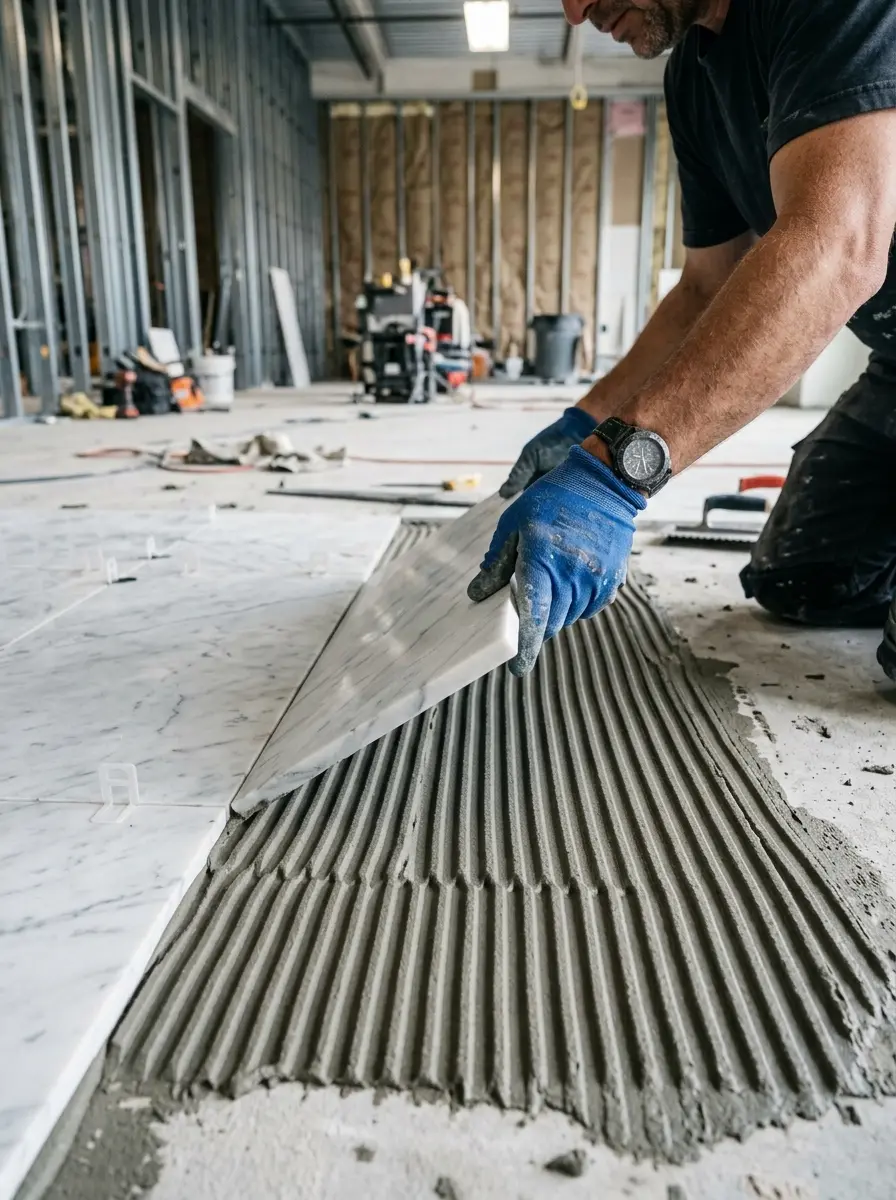
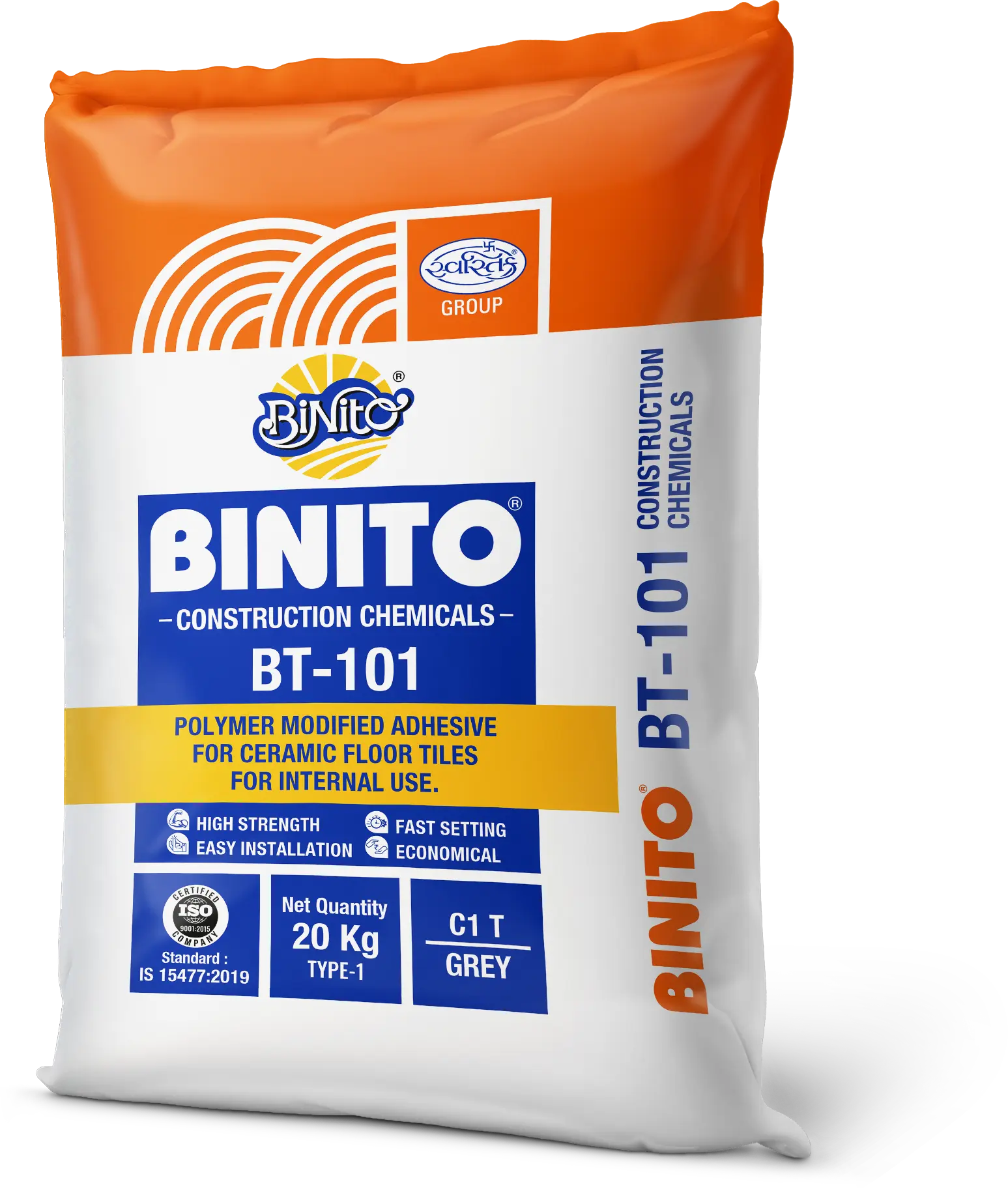
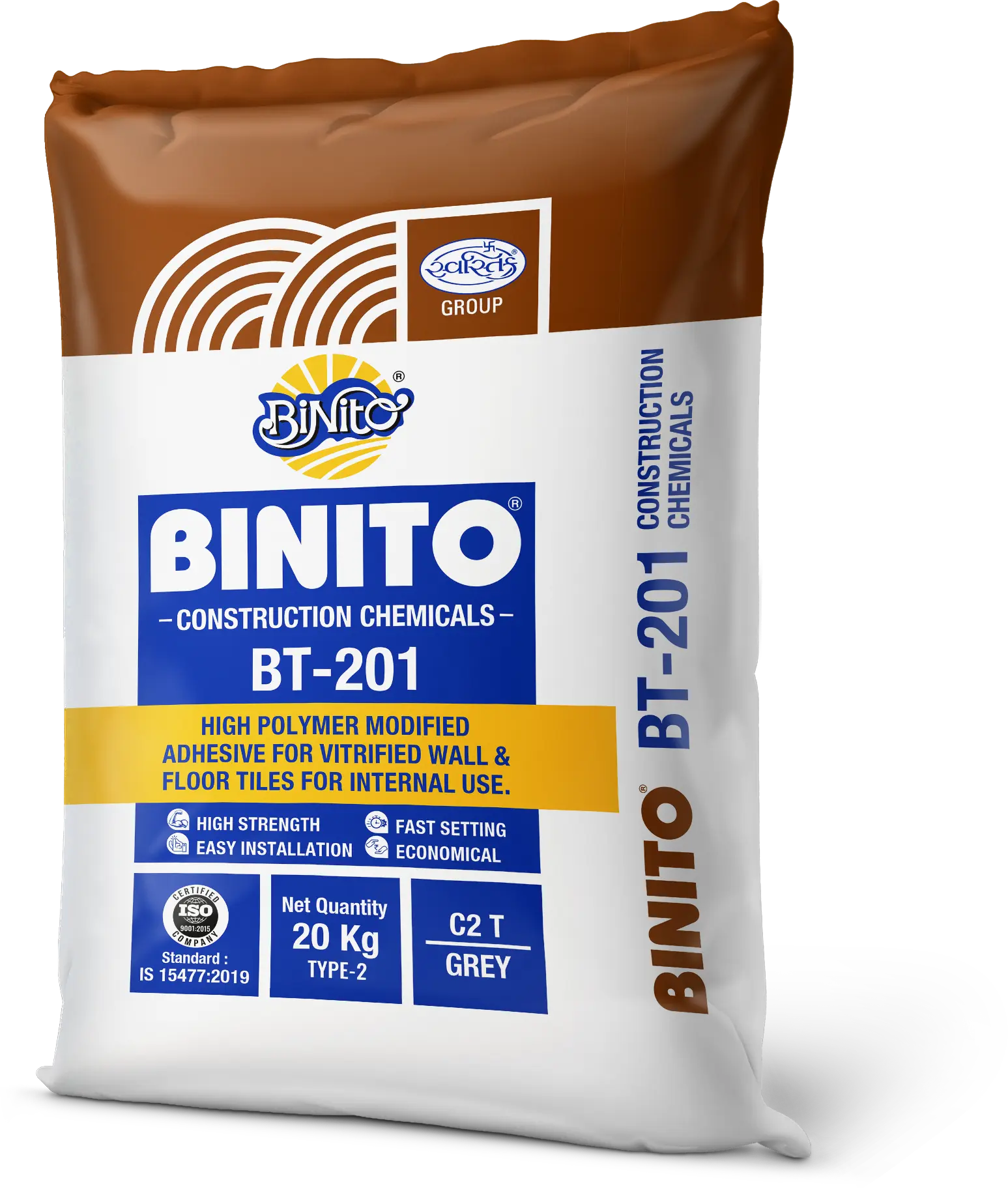
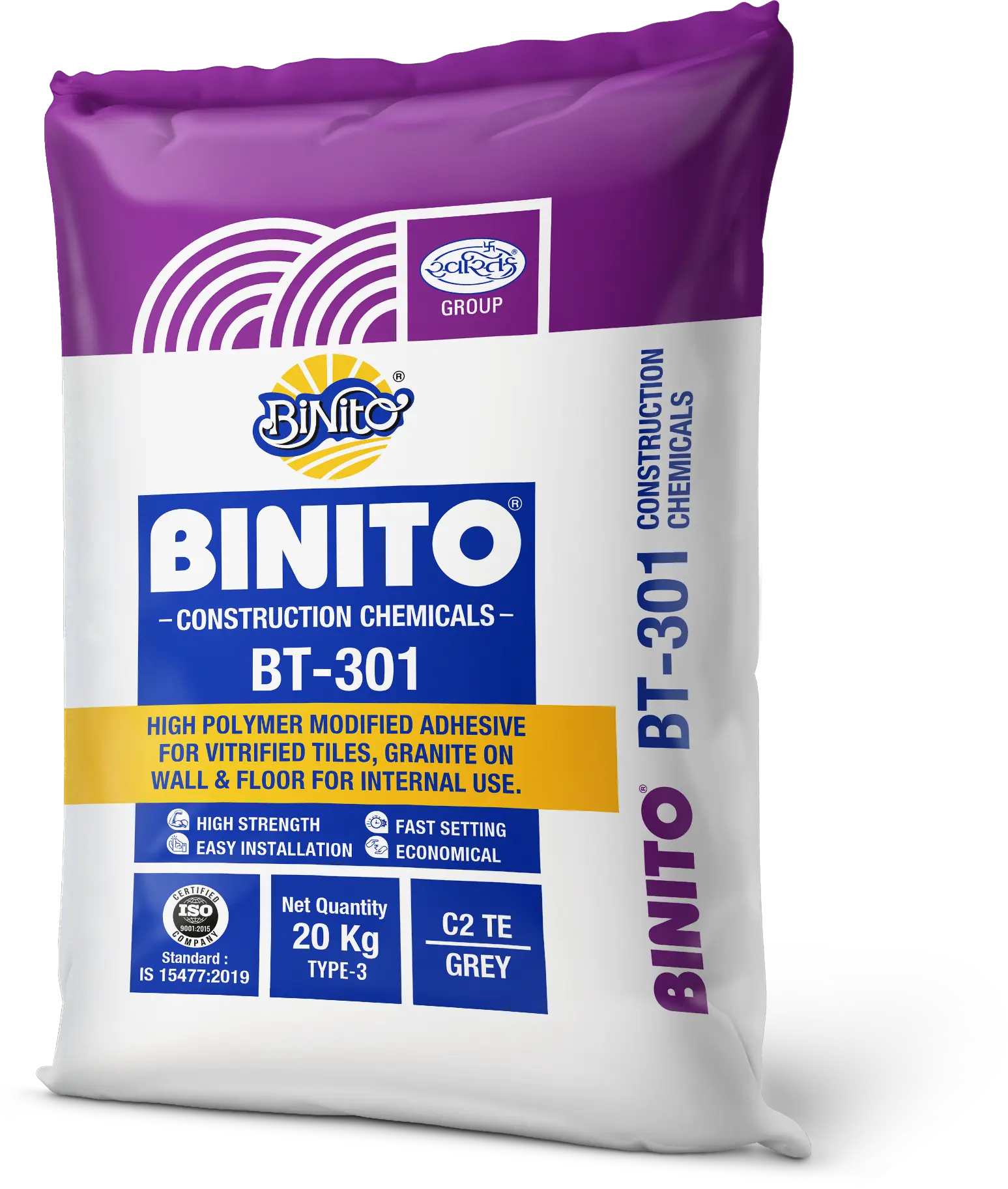
Apply Binito B-202 Vitro-Fix or Binito B-303 Heavy Stone using a calibrated notched trowel (minimum 8mm notch).
Butter the back of large tiles (back-buttering) to achieve > 95% adhesive contact area.
Visible Symptom
Water dampness on ceiling below, peeling paint on adjoining bedroom walls, and foul musty odor emanating from skirting joints.
Scientific Root Cause
Lack of an elastomeric waterproof barrier between the screed and tile bed, combined with porous cement grout joints that allow water to pool under the floor tiles.
Contractor Recommended Application
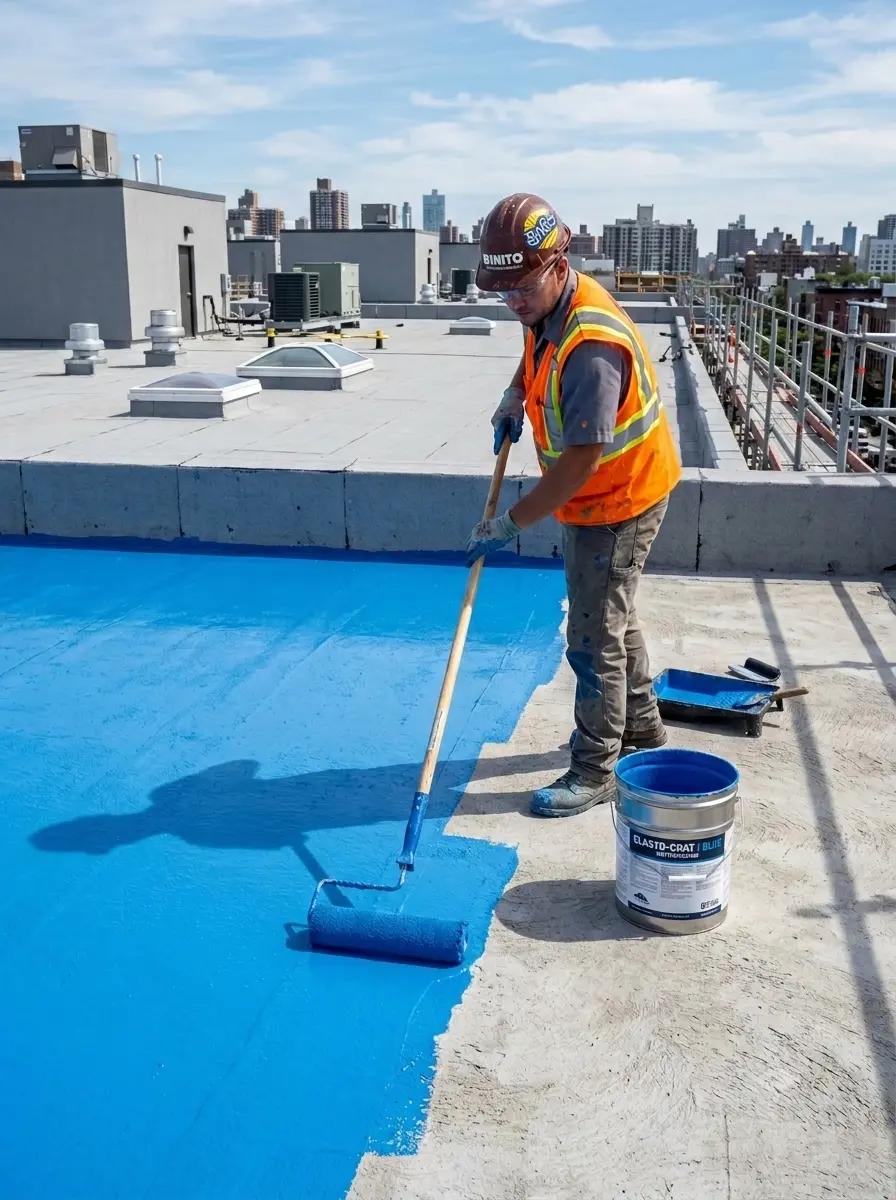
Coat sunken slab and pipe penetrations with 2 coats of Binito Aqua-Shield 2K with corner mesh reinforcement.
Lay tiles using polymer waterproof adhesive Binito B-202.
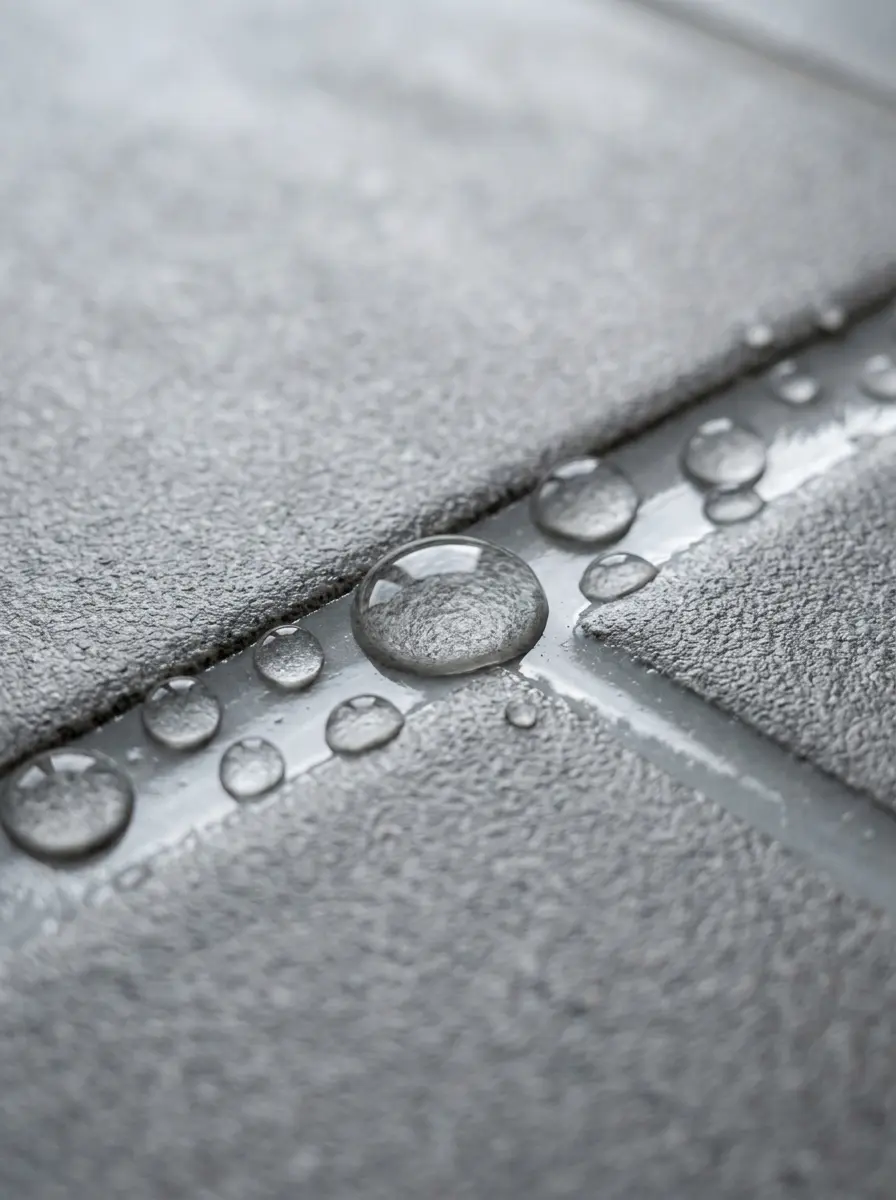
Fill all tile joints with Binito Epoxy Grout 3-Part to block 100% water penetration.
Visible Symptom
White powdery chalk and crystalline crusts leaking out of tile joints, ruining marble floors and exterior façades.
Scientific Root Cause
Free calcium hydroxide in ordinary Portland cement reacts with atmospheric carbon dioxide when moisture migrates through porous grout lines to the surface.
Contractor Recommended Application
Clean existing efflorescence crusts using Binito Tile & Grout Power Clean diluted 1:1 with water.
Re-grout using zero-efflorescence Binito Epoxy Grout 3-Part which contains no free lime or soluble calcium salts.
Visible Symptom
Grout lines turning black, crumbling away under mop cleaning, or developing micro-cracks along tile perimeters.
Scientific Root Cause
Traditional cement grout absorbs kitchen grease, dirty mop water, and acidic bathroom cleaners, degrading the cement bond and breeding mold bacteria.
Contractor Recommended Application
Rake out defective cement grout to 2/3 depth. Vacuum clean and install Binito Epoxy Grout 3-Part. Provides an ultra-smooth, glass-like impermeable finish that cleans with a simple damp cloth.
Interactive Living Hall Floor Tile & Epoxy Grout Visualizer
Experience your living space in photorealistic 3D perspective before installation! Preview Italian marble & vitrified floor tiles, and calibrate Binito 3-Part Epoxy Grout joint lines in real-time.

Blogs & Best Practices
2-Component Elastomeric Waterproofing: Protecting Sunken Slabs & Terraces
Step-by-step masterclass on applying Binito Aqua-Shield 2K with reinforcing fabric to eliminate bathroom seepage permanently.
Read Technical GuideEpoxy vs Cementitious Grout: Which Joint Filler Protects Your Tiles Best?
Compare chemical resistance, stain-proofing, durability, and cost between traditional cement grout and 3-component epoxy systems.
Read Technical GuideHow to Choose Between Type 1, Type 2, Type 3, and Type 4 Tile Adhesives
A contractor's guide to the updated IS 15477:2019 classification system: understanding why matching adhesive polymer strength to tile porosity prevents catastrophic floor failures.
Read Technical Guide